
Captive shot blasting is the go-to method when concrete floors demand a fast, clean, and consistent profile for new coatings. Using a sealed blasting head that fires steel abrasive at high speed, the process abrades the surface and vacuums the debris in one motion. This creates a uniform, contaminant-free texture—often called a mechanical key—that dramatically improves adhesion for epoxy coatings, polyurethane screeds, resin systems, and specialist toppings used across UK industrial and commercial facilities. Because the dust is contained and reclaimed, the method is as clean as it is effective, keeping adjacent areas in service while delivering the level of preparation required by high-performance flooring specifications.
How Captive Shot Blasting Works—and Why It Beats Traditional Methods
At its core, captive shot blasting propels hardened steel shot onto the concrete surface within an enclosed chamber. The kinetic impact removes laitance, weak surface paste, and light contaminants, while simultaneously texturing the slab to a controlled roughness. A matched industrial vacuum instantly recovers the shot and dust, separates them via a dust collector, and returns reusable media to the blast wheel. The result is a closed-loop process that is exceptionally clean, efficient, and repeatable, with minimal disruption to operations.
What sets this method apart from open blasting or wet preparation is containment and consistency. There is no airborne dust plume because the vacuum captures fine particles at the source, helping duty holders control exposure to respirable crystalline silica in line with UK occupational standards. There is also no slurry or wastewater to manage, unlike wet grinding. Compared with handheld grinding alone, captive blasting covers large floor areas more quickly and provides a more uniform profile, which is vital for long-term coating performance. A consistent profile promotes chemical and mechanical interlock, allowing primers and coatings to wet the surface evenly and bond at a deeper level.
Control is built into the process. Operators adjust feed rate, travel speed, and media size to achieve a target Concrete Surface Profile (CSP) suitable for the chosen system, whether a thin-build epoxy coating or a heavy-duty screed. Heavier media at lower speed yields a deeper profile, while finer media or faster passes leave a lighter texture. That precision reduces the risk of over-prep, saves time on subsequent smoothing coats, and helps coatings reach their designed performance. When preparation is aligned with product datasheets and industry best practice, premature failures—such as peeling, blistering, or glossy patches indicating poor adhesion—are far less likely.
Because the method is dry, dust-controlled, and rapid, it excels in live environments. Warehouses keep logistics moving, production lines maintain throughput, and retail or public buildings minimise downtime. With less cleanup and fewer containment barriers required, the total programme cost often decreases, even when factoring in skilled labour and specialist plant. In short, captive blasting combines speed, safety, and surface quality into one dependable workflow—exactly what demanding projects need when schedules are tight and performance criteria are strict.
Applications Across UK Industrial and Commercial Floors
The versatility of captive shot blasting makes it a natural choice across the UK’s industrial, commercial, and public estates. In logistics hubs and distribution centres, it removes curing compounds and the polish of power-floated slabs, providing the mechanical key required for epoxy primers, high-build coatings, and durable line markings. Manufacturers rely on it to strip tired coatings or contamination in production areas, then reset the surface for chemical-resistant resin systems that stand up to traffic, oils, and cleaning regimes.
Food and beverage plants benefit from a clean, dry preparation method that avoids slurry, helping maintain hygiene controls while delivering the textured substrate needed for polyurethane screeds and anti-slip finishes around wet process zones. In pharmaceuticals and healthcare, the dust-controlled nature of the work supports stringent environmental requirements and maintains integrity in adjacent clean areas. Car parks, airports, and transport infrastructure use captive blasting to refresh decks, remove chlorides and grime, and ready concrete for waterproofing membranes, MMA systems, or wear-resistant toppings.
Education and public buildings see the same advantages: quick turnarounds during holidays or off-hours, minimal disruption, and predictable results. The method is equally effective on refurbishment and new-build projects, from preparing freshly cured slabs to removing weak layers on older concrete before restoration. Edges, upstands, and tight areas can be finished with complementary tools—edge grinders or handheld scarifiers—so the prepared profile is continuous and the coating envelope is not compromised.
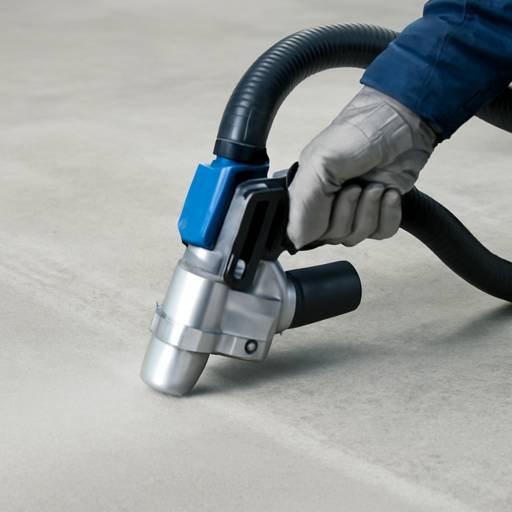
Compliance and specification alignment underpin successful outcomes. Proper surface preparation is integral to achieving the performance outlined in British Standards for screeds and resin flooring, and duty holders must also manage dust exposure for site teams and bystanders. Captive blasting helps satisfy both aims while streamlining programmes, which is why it is the preferred approach for many UK facilities managers and principal contractors. To understand where it fits in an overall preparation and coating strategy, explore the broader context of Captive shot blasting and how it integrates with resin flooring, screeding, and specialist finishes.
Beyond preparation for coatings, the process can be tuned for profile correction and performance enhancement. Multiple passes can increase texture on smooth, power-floated slabs that otherwise lead to poor bond. Light blasting can also improve slip resistance before applying sealers, and it is a reliable way to remove laitance on newly installed screeds before resin installation. Thanks to nationwide availability of modern machines and experienced operators, projects across the UK—from city centre refurbishments to large-scale industrial estates—benefit from consistent delivery and high-quality finishes.
Best-Practice Process: From Survey to Seamless Finish
Strong results begin with a thorough survey. The floor is assessed for contamination, flatness, hardness, existing coatings, and structural movement. Moisture readings (in-situ RH or equivalent) and tensile pull-off tests determine whether underlying conditions will support a resin system. Joints, cracks, and defects are mapped so repairs can be scheduled with compatible materials—epoxy mortars, rapid-setting fillers, or resin-based jointing products—before or immediately after blasting as required by the specification.
Machine selection and setup follow. Blasters range from compact walk-behind units for corridors and plant rooms to wider machines for high-output in warehouses and production halls. Media size and shape are chosen to meet the target CSP while limiting over-break on weaker substrates. Operators set travel speeds and overlap patterns to maintain a uniform pass and minimise “striping,” then verify the profile using comparators or surface roughness checks. Effective dust extraction is non-negotiable: high-vacuum units with efficient filtration protect air quality and keep the process genuinely dust-controlled.
Execution is planned around the programme’s operational needs. Phased working keeps critical aisles open in busy warehouses. Out-of-hours schedules in schools, hospitals, or retail minimise public interaction. In sensitive environments, polythene screening and negative air management can be added to the already enclosed method for belt-and-braces control. Edges and penetrations are detailed with compatible tools so the prepared surface is continuous. Joints are cleaned, chased if needed, and either protected during blasting or treated immediately afterwards to integrate with the final finish.
Quality assurance closes the loop. After blasting, the floor is vacuumed to remove any residual dust. Adhesion and cleanliness checks confirm readiness for primers—surfaces should be dry, sound, and free from oils or loose debris. Primers are selected to suit the profile, porosity, and ambient conditions; for example, moisture-tolerant epoxies where residual humidity is expected. Subsequent layers—high-build epoxies, polyurethane screeds, fast-cure MMA, or decorative systems—are applied to manufacturer-recommended film builds, with cure windows respected to lock in adhesion. Where tolerances demand, a scratch coat or self-leveller can be specified to smooth the profile without compromising bond.
A brief case snapshot illustrates the approach. In a Midlands distribution centre, a phased plan prepared large open areas overnight, keeping daytime operations unhindered. Captive blasting removed curing compounds on a newly constructed slab and established a medium CSP suitable for high-build epoxy with safety demarcation. Edges and dock leveller pits were finished with coordinated hand tooling, joints were treated with tough elastomeric fillers, and the full system was commissioned over a long weekend. The result was a robust, slip-resistant floor with outstanding bond—delivered with minimal disruption and no dust migration into racking or stock.
Whether preparing a small plant room or a 20,000 m² warehouse, the principles are the same: survey thoroughly, select the right equipment and settings, integrate edge and joint detailing, and verify the profile before coating. By adhering to these steps, captive shot blasting delivers the consistent, specification-ready surface that advanced resin systems demand, enabling durable, safe, and aesthetically sharp floors across the UK’s industrial and commercial landscape.

Quito volcanologist stationed in Naples. Santiago covers super-volcano early-warning AI, Neapolitan pizza chemistry, and ultralight alpinism gear. He roasts coffee beans on lava rocks and plays Andean pan-flute in metro tunnels.

Leave a Reply